
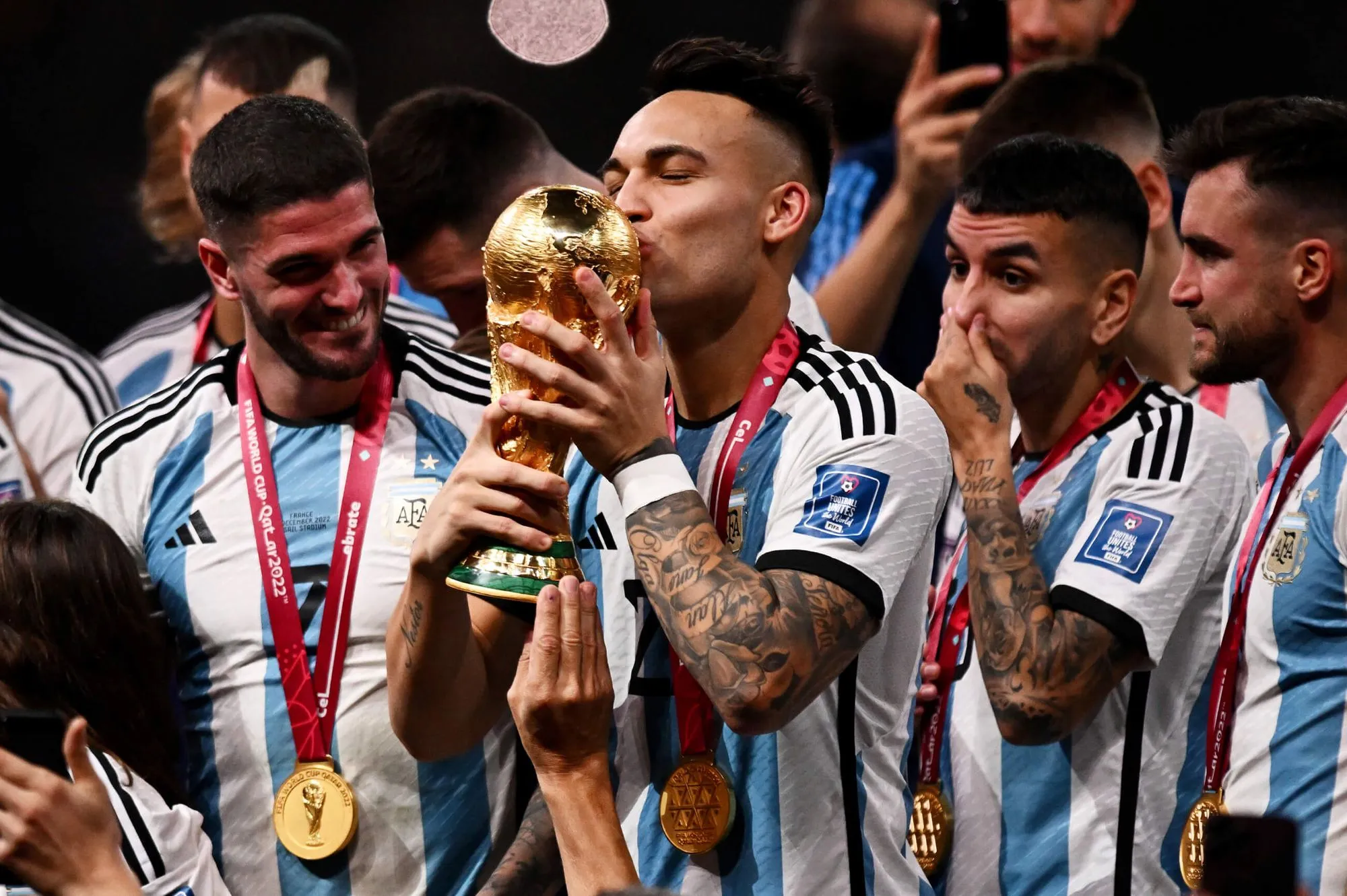
A few days ago, a simple post on X (formerly Twitter) sparked an unexpectedly deep conversation across East Africa. Marketing strategist Janet Machuka observed something many people had been quietly feeling:
“Maybe it’s just me, but I’m not feeling this year’s World Cup.”
What followed was a flood of responses. Some blamed the host country. Others pointed to economic pressures, changing viewing habits, politics, time zones, or the growing commercialization of football. Many simply said the magic was gone.
And yet, beneath the nostalgia was a far more important insight. The conversation was never really about football. It was about how audiences experience global moments today – and what that means for brands trying to remain relevant.
For marketers, communicators, event professionals, and business leaders across East Africa, this discussion offers a useful lens into one of the biggest shifts happening in consumer engagement.
The Buzz Didn’t Disappear. It Changed Shape.
For many of us, previous World Cups felt impossible to ignore.
Billboards dominated major roads. Retail stores ran tournament promotions. Bars transformed into fan zones. Television stations rolled out special programming. Beverage brands, telecom companies, electronics retailers, and betting firms all competed for attention.
The result was a shared public experience. Whether you followed football or not, you knew the World Cup was happening.
Today, that visibility feels reduced. Not because audiences have lost interest, but because the channels through which excitement is created have fundamentally changed. Attention has moved from physical spaces to digital ones. Conversations now happen on digital timelines, WhatsApp groups, TikTok feeds, YouTube channels, and creator communities. The audience has not disappeared. It has fragmented.
Many brands, however, are still operating as though visibility depends on traditional mass-market presence alone. The reality is that audiences are still gathering. They’re simply gathering differently.
Global Events No Longer Deliver Local Relevance Automatically
One of the most striking observations from the online discussion was how many people missed the communal aspects of past tournaments.
They spoke about; family viewing sessions, sticker collections, neighbourhood screenings, tournament songs everyone knew and a lot more nostalgic moments. The anticipation that made a major sporting event feel like a holiday.
What’s interesting is that none of those memories were created by FIFA itself. They were created by local experiences. That distinction matters. Global events provide the stage, but local brands create the atmosphere.
As international tournaments become increasingly commercialized and digitally distributed, the responsibility of making these moments feel relevant to local audiences increasingly falls on businesses, media houses, creators, and event organizers within the market itself.
This creates a significant opportunity for East African brands willing to think beyond traditional sponsorship models.
The Future Belongs to Brands That Build Participation
For years, many businesses approached major global events with a simple calculation:
If we can’t afford official sponsorship rights, we stay out.
That approach is becoming increasingly outdated. Today’s audiences reward participation, not just visibility. A well-executed community watch party can generate more authentic engagement than a billboard campaign.
A creator-led content series can spark more conversation than a television commercial. A localized digital activation can reach more relevant consumers than expensive international sponsorship assets.
The most successful campaigns are no longer the ones with the largest budgets. They are the ones that create reasons for people to participate.
This is a powerful shift for brands because participation is often easier to localize than sponsorship.
Economic Pressure Creates New Marketing Opportunities
Several responses in the discussion linked the reduced excitement to broader economic realities. That observation is important.
Consumers across East Africa are becoming more selective with how they spend both money and attention. Conventional wisdom suggests this makes brand-building harder. In many cases, the opposite is true.
Periods of economic pressure often increase the value of shared experiences. When discretionary spending is limited, people gravitate toward community, entertainment, and moments of collective belonging. The brands that facilitate those experiences earn trust and affinity that far exceed the cost of delivery.
A thoughtfully executed community screening… A fan engagement campaign… A localized tournament experience… A creator collaboration rooted in culture… These initiatives can generate outsized impact precisely because audiences are looking for meaningful experiences rather than expensive spectacles.
The Real Opportunity for East African Brands
The lesson from this year’s World Cup extends far beyond football.
The same dynamics will shape future AFCON tournaments, Olympic Games, global product launches, international concerts, esports competitions, and major cultural moments.
The old model relied heavily on global hype flowing into local markets. The new model requires brands to create local relevance themselves. That means building experiences rather than simply buying media.
It means integrating physical and digital engagement from the start. It means collaborating with creators who already command attention within communities. Most importantly, it means understanding that local context is now the most valuable asset a brand possesses.
Global organizations can own the rights. Global sponsors can own the logos. But local brands can own the experience. And increasingly, that is what audiences remember.
The Bottom Line
This conversation revealed something much bigger than changing attitudes toward football. It highlighted a structural shift in how people connect with global moments.
The era when international events automatically generated excitement in local markets is fading. In its place is a new reality – one where relevance must be actively created, localized, and experienced.
For East African brands, this is an opportunity. The audience is still here. The attention is still available. The appetite for shared experiences remains strong.
The difference is that only the brands willing to create those experiences will own the conversation.
The next global moment is coming. The question is not whether people will care. The question is who will make them care locally.