
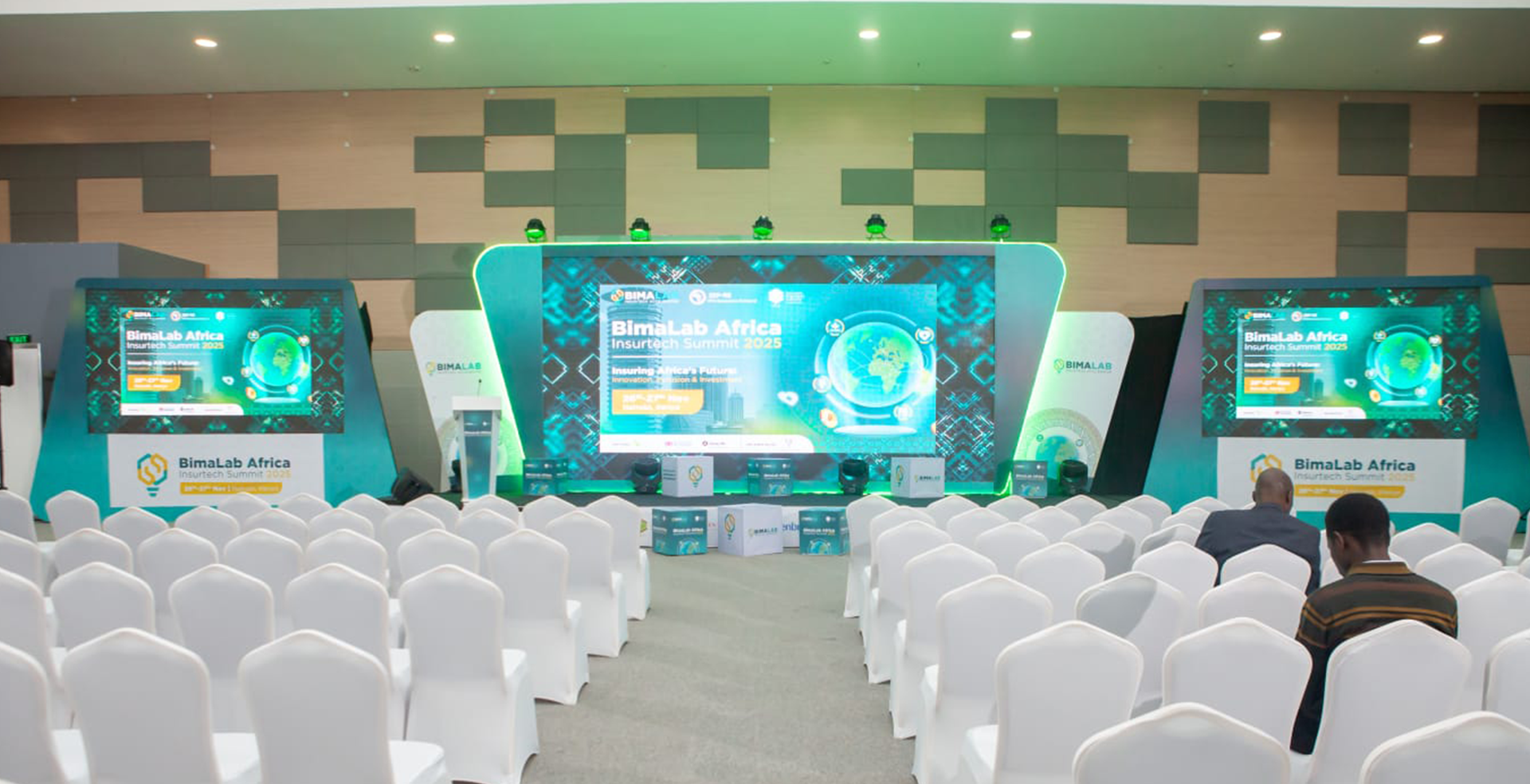
Across Africa, conferences are changing.
For years, the standard format remained almost identical. A ballroom setup. Long speeches. Panel discussions running all day. Networking squeezed into tea breaks. Most organizers focused heavily on programming while giving less attention to how people actually experienced the event.
That approach is slowly becoming less effective.
Today, people attend conferences for more than information. Reports can be downloaded later. Keynote speeches appear online within hours. Presentations circulate quickly across social media and email.
However, physical experience still matters.
People remember how an event felt. They remember whether conversations happened naturally. They remember whether movement between spaces felt easy. They remember whether the environment encouraged interaction or simply forced people to sit through sessions for an entire day.
As a result, conferences across Africa are becoming more experience-driven.
Conferences Are Becoming More Interactive
Modern conference audiences expect participation. They want opportunities to interact with speakers, exhibitors, partners, and other attendees. Consequently, organizers are redesigning events around engagement rather than passive listening.
This shift is visible across:
- hospitality summits,
- technology conferences,
- investment forums,
- healthcare events,
- and development sector gatherings.
Many organizers are introducing:
- networking lounges,
- one-on-one meeting spaces,
- audience interaction sessions,
- live demonstrations,
- and business matchmaking formats.
These additions create more value for attendees because people can build real connections instead of simply collecting presentations and brochures.
In addition, exhibition spaces are becoming more important. Previously, exhibitions often felt secondary to the main conference programme. Today, many attendees spend more time in exhibition areas than inside the main hall.
That change is forcing organizers to think differently about movement, visibility, and engagement.
The Role of Hospitality Is Expanding
Hotels and conference venues are also adapting.
Across Africa, hospitality spaces are positioning themselves as business ecosystems rather than accommodation providers alone. Conference venues now include networking areas, media spaces, meeting rooms, and hybrid event infrastructure designed to support interaction throughout the day.
This evolution matters because conferences now influence several industries at once:
- tourism,
- hospitality,
- investment,
- media,
- and business development.
As a result, cities that host strong conferences increasingly position themselves as regional business hubs.
Event Experience Now Shapes Perception
Attendees notice details more than many organizers realize.
They notice:
- registration efficiency,
- sound quality,
- seating arrangements,
- signage,
- movement flow,
- accessibility,
- and networking opportunities.
These details shape perception immediately.
A well-organized conference communicates competence and professionalism. Meanwhile, poor coordination creates frustration long before the first speaker begins.
For this reason, event planning is becoming closely connected to communication strategy. Conferences now serve as public representations of brands, institutions, industries, and even cities.
Technology Is Changing Conferences Too
Technology is also influencing how African conferences operate.
AI-powered registration systems, networking recommendations, live translation tools, and digital audience engagement platforms are slowly becoming part of the conference ecosystem.
At the same time, technology is increasing the value of human interaction rather than replacing it.
People still travel for face-to-face conversations. They still build trust through physical interaction. They still value environments where partnerships, ideas, and opportunities develop naturally.
Therefore, the future of conferences will likely depend on balance. Organizers will need to combine technology, hospitality, design, and human interaction into one cohesive experience.
African Conferences Are Entering a New Phase
Africa’s conference industry is growing alongside the continent’s business, tourism, and creative economies.
Consequently, conferences are no longer isolated calendar activities. They are becoming platforms for investment, visibility, networking, collaboration, and regional positioning.
Organizations that understand this shift early will create stronger and more valuable events.
Ultimately, the conferences that stand out are no longer built around stages alone. They are built around experience.