
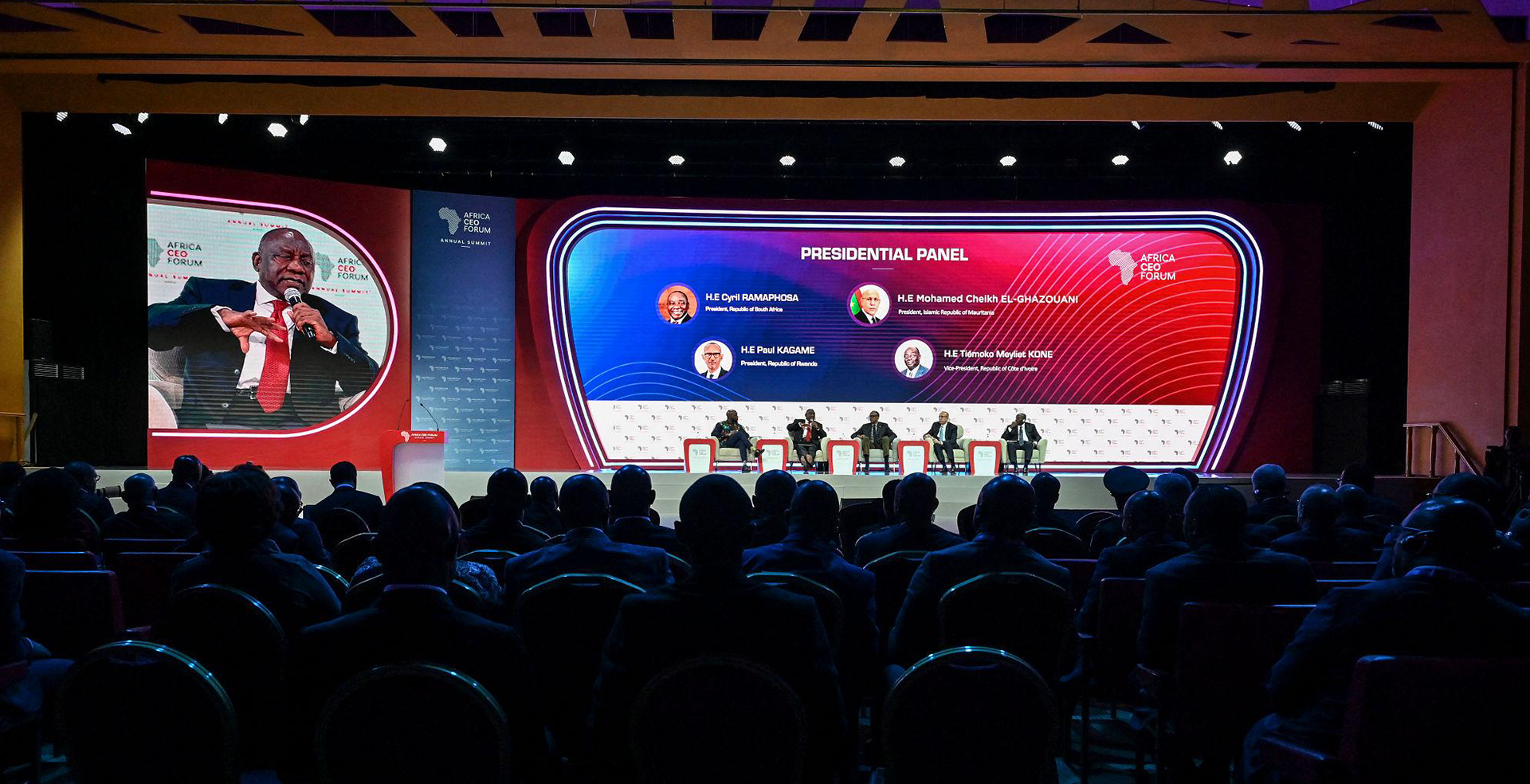
Across Africa’s most influential summits – whether in Nairobi, Kigali, Johannesburg, or Lagos – there is a consistent, often underestimated factor that determines whether an event simply runs… or truly resonates: the moderator.
At Zuce Group, we’ve seen this firsthand. You can have the right speakers, a strong theme, and a polished venue – but without the right person guiding the room, the conversation rarely reaches its full potential. The best events feel effortless to the audience. In reality, they are shaped – sometimes quietly, sometimes decisively – by moderators who understand both content and context.
Africa today is home to a class of moderators who can hold their own on any global stage. Not just because of their profiles, but because of how they think, listen, and lead conversations.
Below is a curated look at ten individuals who embody that standard.
The Top Moderators Shaping Africa Through Global Conversations
Isha Sesay
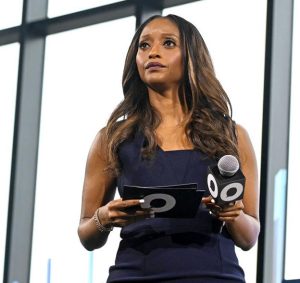
Isha Sesay’s strength lies in the depth behind her calm delivery. Having spent over a decade at CNN, including anchoring major international news segments, she developed the ability to navigate complex, often sensitive global issues in real time. That experience shows clearly on stage.
She approaches moderation with a journalist’s discipline – well-researched, structured, and purposeful. In rooms dealing with governance, gender equity, humanitarian issues, or international development, she brings both empathy and rigor. Importantly, she knows when to step back and when to push forward, allowing conversations to breathe while still landing key insights.
Larry Madowo
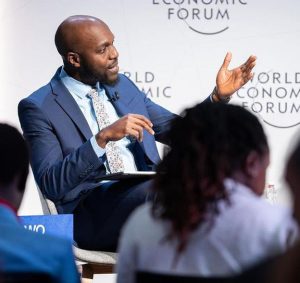
Larry Madowo brings a sharp, contemporary voice to moderation. With experience covering global stories for CNN, he is deeply attuned to current affairs, media dynamics, and geopolitical shifts.
His style is direct and engaging. He is not afraid to challenge perspectives or push conversations into deeper territory, which often results in more honest and impactful discussions. Our favorite thing about him is his usual dry jokes that always do well to break the ice.
He is particularly effective in media, governance, and youth-focused conversations where relevance and authenticity matter.
Julie Gichuru
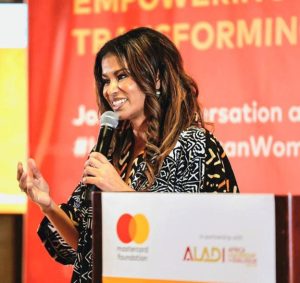
Julie Gichuru brings a rare combination of authority and warmth. With a background in broadcast journalism and years of experience engaging with political, social, and corporate leaders, she has developed an instinct for reading the room.
Her moderation style is measured and composed, which makes her particularly effective in high-stakes environments where sensitivity and balance are critical. She manages transitions seamlessly, keeps discussions on track, and ensures that every voice is heard without losing control of the narrative.
For events that require trust, credibility, and clarity, she remains one of the most dependable figures in the region.
Thami Nkadimeng
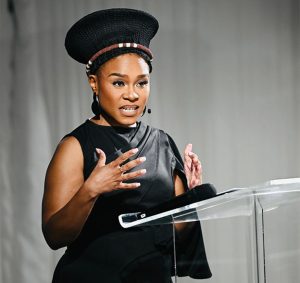
Thami Nkadimeng represents a different kind of strength—the live event specialist. Unlike many moderators who come from journalism or executive leadership, Thami’s foundation is built on years of frontline event hosting and facilitation across corporate, government, and large-scale public forums.
She brings a deep understanding of program flow, audience psychology, and real-time energy management. His style is engaging, adaptive, and highly responsive to the room. She knows how to sustain momentum across long agendas, manage transitions seamlessly, and recover quickly when sessions drift off track. Recently at the FHS Africa 2026 summit, it was interesting how she was firm in keeping all sessions within the time schedule. Her elegance in keeping everyone on toes was quite commendable.
This makes her particularly effective for multi-day conferences, high-production events, and mixed-audience forums where engagement is as important as content depth.
Acha Leke
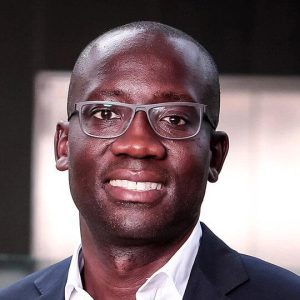
Acha Leke operates at the intersection of strategy, economics, and leadership. As Chairman of McKinsey Africa, he has spent years advising governments and major corporations across the continent.
When he moderates, he brings that same strategic lens. His questions are rarely surface-level; they are designed to unpack systems, trends, and long-term implications. This makes him particularly effective in investment forums, economic summits, and CEO-level conversations.
What stands out is his ability to keep discussions grounded in reality while still pushing toward forward-looking perspectives.
Zain Asher
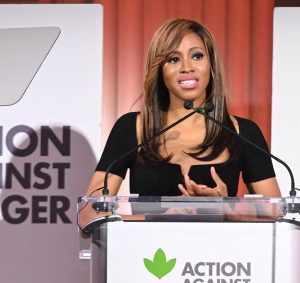
Zain Asher brings a distinctly global perspective. As a CNN International anchor covering business and finance, she has interviewed some of the world’s most influential leaders and executives.
Her moderation style is polished and confident, with a strong ability to connect global economic narratives to African realities. She asks sharp, informed questions and maintains a steady pace that keeps audiences engaged.
She is particularly effective in international forums where the audience expects both credibility and a broader global context.
Mark Sham
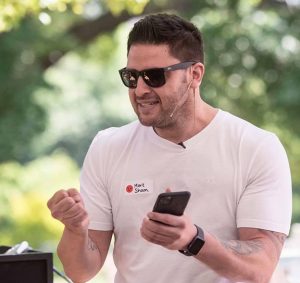
Mark Sham represents a more facilitative approach to moderation. His work goes beyond hosting; it is about designing interaction.
He is known for high-energy sessions that keep audiences involved, often integrating structured engagement techniques that move beyond traditional panel formats. This makes him particularly effective for corporate events, strategy sessions, and innovation-driven forums where participation matters as much as content.
His strength lies in making sessions feel dynamic without losing coherence.
Nunu Ntshingila
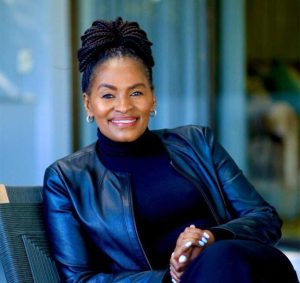
Nunu Ntshingila brings deep experience from the worlds of marketing, leadership, and corporate transformation. Having led Ogilvy Africa, she understands brand, culture, and organizational dynamics at a high level.
As a moderator, she brings a strategic and reflective tone to discussions. She is particularly effective in conversations around leadership, diversity, transformation, and brand evolution.
Her approach is thoughtful and deliberate, often drawing out insights that go beyond immediate talking points.
Arnold Ekpe
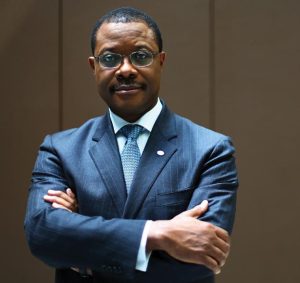
Arnold Ekpe’s background in banking and corporate leadership gives him a distinct presence in executive-level discussions. Having led major financial institutions, he understands the pressures, decisions, and realities faced by senior leaders.
When moderating, he engages speakers as peers, not just panelists. This creates a different level of conversation – more candid, more grounded, and often more insightful.
He is particularly suited for closed-door sessions, executive forums, and high-level industry summits.
Peace Hyde
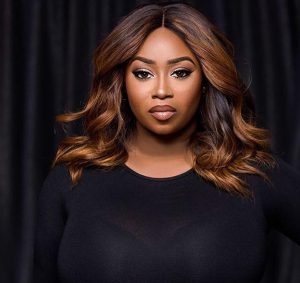
Peace Hyde brings a strong connection to Africa’s entrepreneurial and youth ecosystems. As a Forbes Africa TV host, she has engaged with innovators, founders, and emerging leaders across the continent.
Her style is energetic and conversational, making her particularly effective in sessions that require relatability and audience engagement. She knows how to create a sense of momentum in the room, keeping discussions lively while still drawing out meaningful insights.
She is well-suited for innovation summits, youth forums, and entrepreneurship-focused events.
Beyond the Names: What This Means for Event Design
What becomes clear across these profiles is that moderation is not a generic role. It is a specialized skill shaped by experience, industry exposure, and personal style. The difference between a good event and a great one often comes down to alignment:
- Aligning the moderator with the intent of the event
- Aligning their style with the audience dynamic
- Aligning their expertise with the depth of conversation required
At Zuce Group, we approach moderator selection as part of the core event strategy. This is because the right moderator does more than keep time. They:
- Shape how ideas are exchanged
- Influence how speakers engage
- Define how audiences experience the event
And increasingly, in a continent that is hosting more global conversations than ever before, that role carries weight.
Our work often involves identifying and securing the right voice for the room – sometimes visible, sometimes behind the scenes – but always intentional. In the end, events are remembered less for what was said, and more for how the conversation felt. And that is rarely accidental.